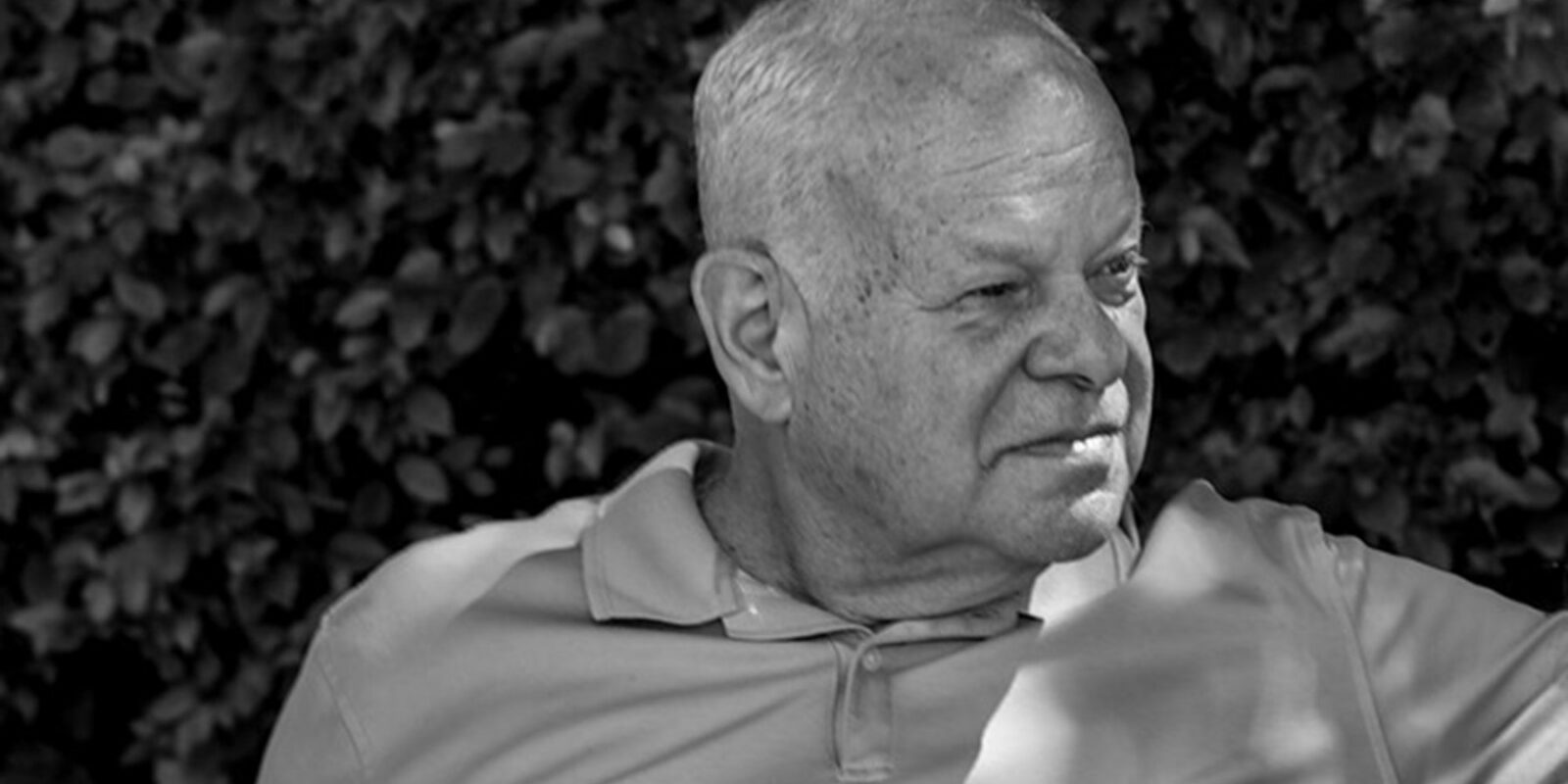
In this Q&A, positive psychology founder Martin Seligman expands on ideas from his new book, Agency: The Psychological History of Human Progress.
He describes agency as the belief that we can accomplish our goals, built from efficacy, optimism, and imagination, and explains how these capacities can be strengthened while still recognizing the limits of what we can control.
Key ideas:
- When you feel stuck, start with imagination: Seligman argues that people who feel powerless may not have a confidence problem so much as a shortage of futures they can envision.
- How we explain setbacks matters: According to Seligman, people are more likely to keep trying when they see defeat as temporary and specific rather than permanent and pervasive.
- Know when to act and when to accept: Seligman recommends asking whether anything you do can actually change the odds.
- Aim for wiser agency: Each element of agency can go too far. Efficacy can become excessive self-blame, optimism can turn into denial, and imagination can make it difficult to appreciate a life that is already good. Seligman argues for wiser agency.
Ultimately, Seligman emphasizes that agency is learned rather than fixed. He argues that the belief that our actions matter can be developed and taught, making agency something worth nurturing both in our individual lives and across society.
Live Happy’s mission is to inspire and empower people to act to make the world a happier place through inspiring stories and hands-on tips rooted in the science of positive psychology.