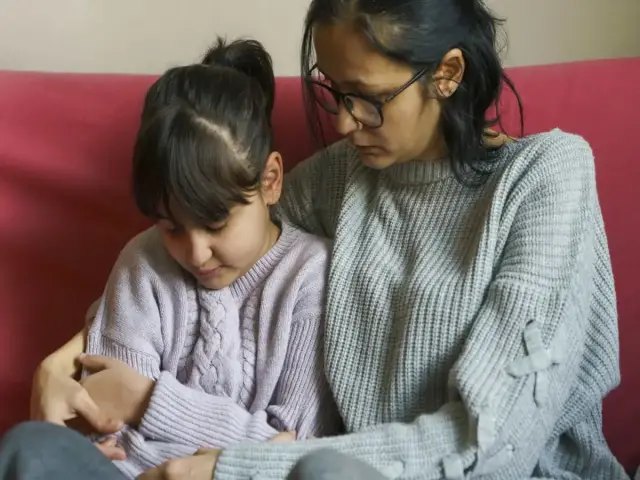
Parental stress is on the rise. A recent review of 153 studies from the University of California, San Francisco (UCSF) confirms what many families already sense: that stress does not stay with the adults. It ripples outward, shaping children’s brain development, emotional regulation, relationships, and physical health in ways that can last. The good news, says lead author Dr. Nicki Bush, is that even small interventions can make a meaningful difference.
Key Takeaways:
- Parents Are the First Buffer: When caregivers manage their own stress in healthy ways, children are more likely to feel safe. Modeling healthy coping teaches children these skills directly and expands a parent’s capacity to meet their child’s emotional needs.
- Small Resets Make a Big Difference: A few minutes of slow breathing, a short walk, or a quick call to a friend, especially right before picking up a child from school, can meaningfully restore a parent’s emotional bandwidth without requiring major time or financial resources.
- Acknowledging Trauma Is Part of Healing: After adversity such as divorce or loss, helping children feel safe and naming what happened validates their reality and reminds the whole family that hard moments can be worked through together.
Greater Good explores the science of a meaningful life.