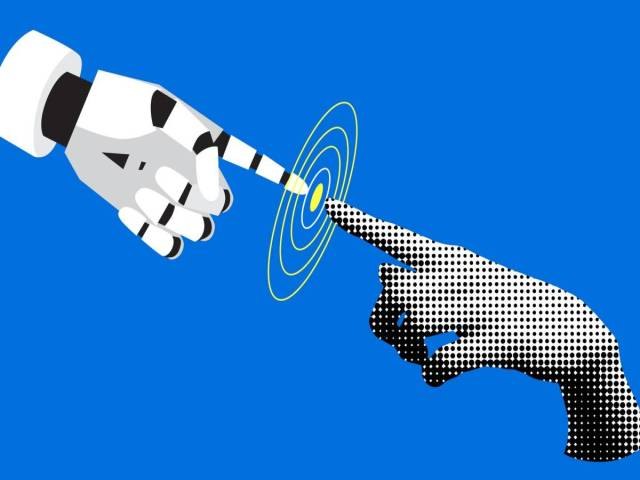
Chatbots are available around the clock, designed to listen, and trained to respond with empathy. So why can’t they do what a text from a stranger can?
New research is revealing a meaningful gap between what AI companions promise and what they actually deliver for our social well-being, and the findings carry real implications for how we think about loneliness.
Key Takeaways:
- Humans Still Win, Even Strangers: A University of British Columbia study found that texting with a randomly assigned peer reduced loneliness significantly after two weeks, while an empathic, highly responsive chatbot produced no such benefit.
- Connection Sustains Itself: After the study ended, 33 percent of participants kept texting their human partner, compared to just 14 percent who continued with the chatbot, suggesting that human interaction builds momentum that AI cannot replicate.
- A Smarter Role for AI: Rather than replacing human connection, researcher Ruo-ning Li suggests chatbots could be redesigned to build social confidence, encourage users to reach out to real people, and help rehearse difficult conversations.
Greater Good explores the science of a meaningful life.